
The Man Who Chose to Wait
The Collini CaseCollini’s decades-long delay reveals revenge as a decision shaped by family loyalty, failed legal recourse, and the limits of personal endurance.
increasing Bearing strength in each event
 decreasing
Bearing strength in each eventdecreasingThe Father Taken
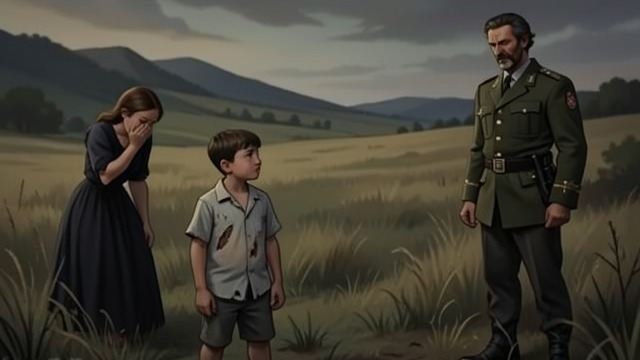
The Father Taken
An arrest at home
German soldiers take Nicola Collini from the family farm. Fabrizio returns to find his sister crying and learns only that his father has been taken.
A child’s unanswered question
He asks what his father did wrong, and his uncle tells him that Nicola did what was right. The child’s understanding of justice begins with a loss he cannot explain.
The Sister’s Death
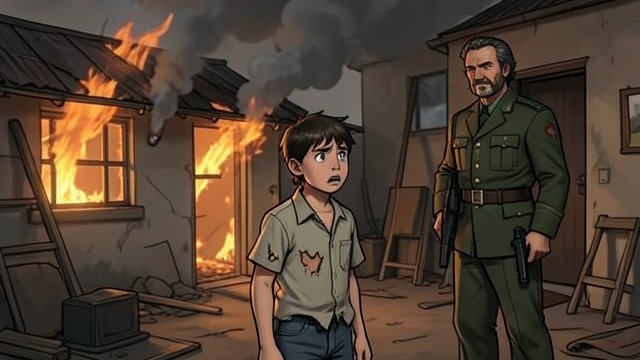
The Sister’s Death
Violence at the farmhouse
A German soldier attacks Fabrizio’s sister; a gunshot kills her when Fabrizio appears. He runs to his uncle for help.
Loss compounds loss
The family’s home is burned, and the boy is left without his father or sister. The trauma is not an abstract historical grievance but the destruction of his household.
The Execution List
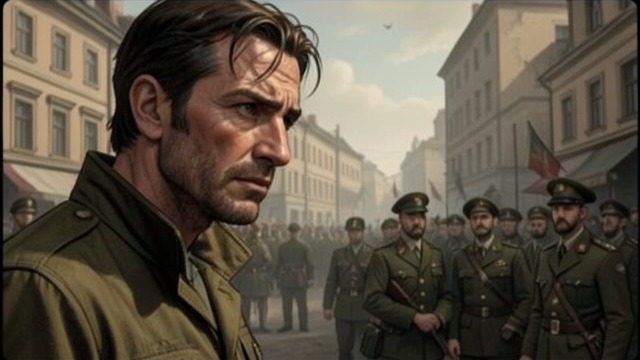
The Execution List
Responsibility named
The family learns that Nicola was executed in a reprisal operation commanded by Hans Meyer. A surviving list links the father’s disappearance to a specific official.
A grievance takes shape
The record gives Collini a name to associate with the loss, but does not provide a trial or public accountability. The future motive begins in evidence rather than rumor.
The Legal Route Fails
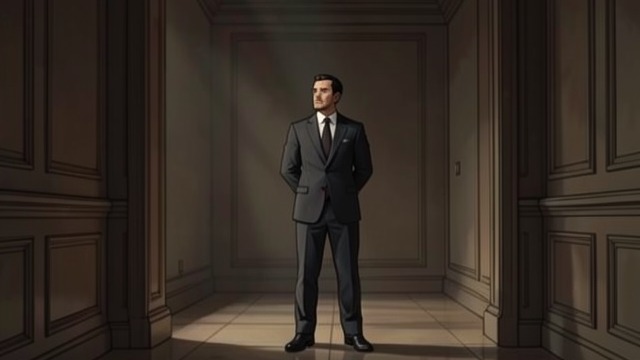
The Legal Route Fails
A complaint submitted
As an adult, Collini reports Meyer to the authorities and waits for the law to investigate. Instead, the case is discontinued under the changed limitation rules.
Waiting replaces hope
No judgment answers his complaint. The failure does not immediately produce revenge, but it leaves the legal process unable to resolve the past.
After His Aunt’s Death

After His Aunt’s Death
A final delay ends
Collini says he waited until his aunt died because she could not bear to see him in a German prison. He then travels to kill Meyer.
The meaning of revenge
His act follows years of restraint and a failed complaint, yet remains a deliberate killing. The explanation deepens the moral conflict without making the violence disappear.
November 1943
Later on the day of the arrest
Four days after Nicola’s death
1969
May 2001
